
How do we become good ancestors?
Practicing Responsibility in a Finite World
reEarth.world explores how communities respond to ecological limits, technological change, and the responsibilities they create through living examples, developmental learning, and participation.
Choose an Entry Point
I want to:
→ Explore real-world examples of stewardship and regeneration
→ Understand the developmental framework behind reEarth
→ Read the foundational book, Survival Justice
→ Discover ways to participate and contribute
Across watersheds, farms, and communities, people are rediscovering how to care for the systems that sustain life.
reEarth.world is a learning commons bringing together lived examples, learning journeys, and participation to explore how people and communities respond to ecological limits, technological change, and shared responsibility.
You can begin by exploring the pathway, learning from real-world examples, or following signals of change across systems.
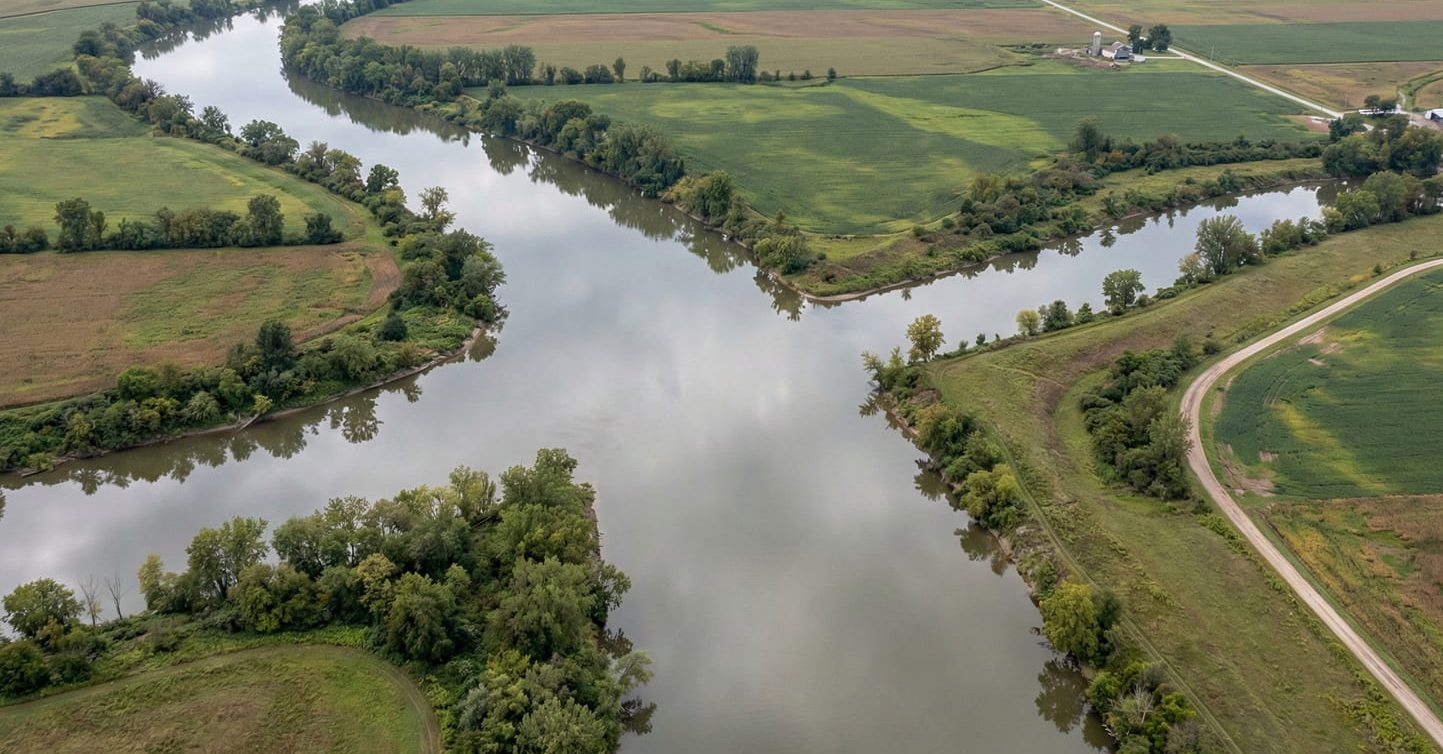
When limits become real, learning emerges through shared practice, reflection, and care over time.
A pathway for learning to live within limits.
Civilizational Learning Pathway
(Six Stages)
Seeing · Responsibility · Meaning
Becoming · Belonging · Guidance
────────────
As we learn to see the Earth clearly, responsibility awakens, meaning deepens, capacities grow, belonging expands, and guidance gradually takes shape.
Three domains
Wholeness
Seeing → Responsibility
Perceiving a living world, responding to consequence.
Survival Justice
Meaning → Becoming
Aligning human systems with ecological reality.
Evolutionary Orientation
Belonging → Guidance
Learning to steward a shared future.
These patterns take shape through lived experience—
in real communities, through real work, over time.
Living Examples of Regeneration

Soil Health Tours
Rebuilding soil and protecting water through shared learning.
- Place-based knowledge
- Measurable change over time
- Trust built through shared learning
→ Explore
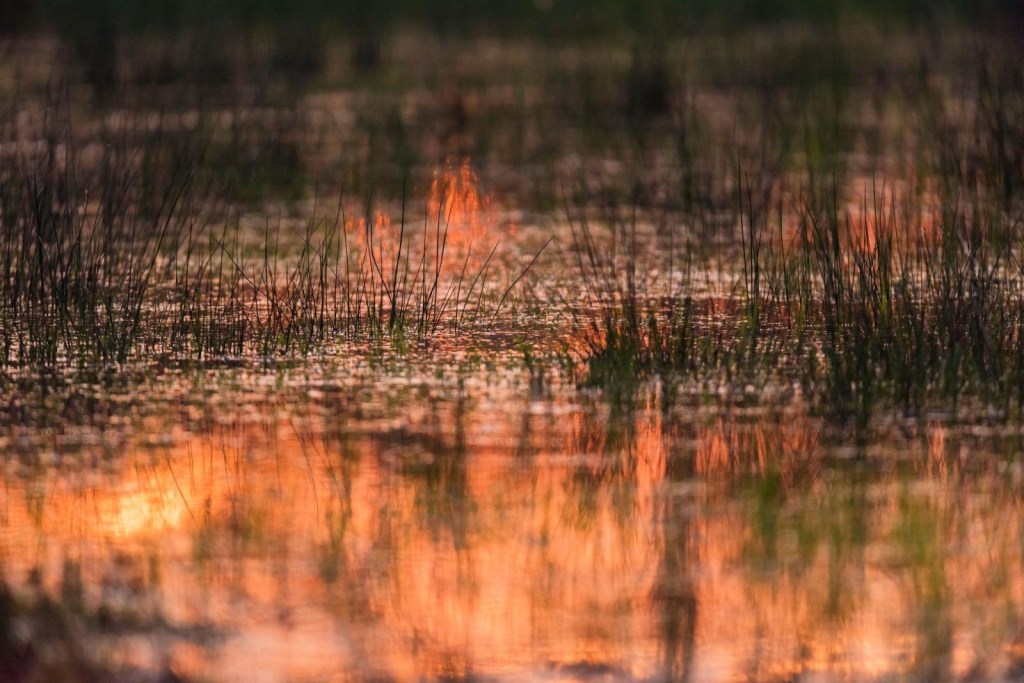
Smart Water
Community stewardship across a living watershed.
What this reveals: communities can align technology with ecological responsibility when learning is collective and long-term.
→ Explore
Stewardship Begins Where You Are
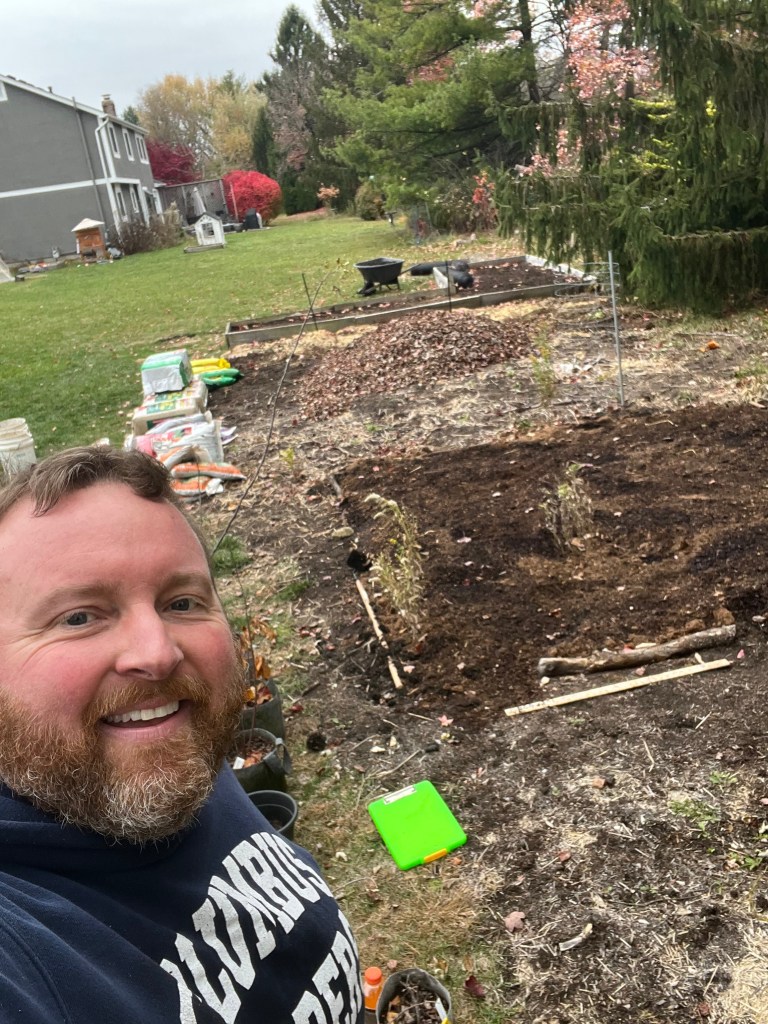
Regeneration does not begin only in large systems or public institutions. It often begins in small, lived acts of care—in a backyard, a garden bed, a patch of soil—where people reconnect with the living world around them.
Combat veteran Matt Garrett’s work offers a glimpse of what that can look like. Through veteran-centered agri-therapy, native planting, and ecological restoration, he has helped reconnect veterans living with TBI, PTSD, and other hidden injuries of war to land, purpose, and community.
His work reflects a simple but powerful truth: caring for living systems can also help restore the human spirit.
I believe we can restore ecosystems, and our bodies and minds alike. Through agri-therapy, we can rebuild the earth and also rebuild the self. — Matt Garrett
Matt Garrett, preparing a pollinator garden
From lived experience to shared learning to emerging patterns—this is how understanding deepens.
Start With Seeing Clearly
→ Why Survival Has Become a Question of Justice
Continue Exploring
Patterns are emerging across systems and communities—signs of how responsibility begins taking shape under conditions of constraint.
They become visible through lived experience in real places.
How we see them shapes what becomes possible.
→ Explore Why Place Matters
See how learning begins in real places and travels across contexts
→ Explore Beauty, Truth, and Goodness
Refine how you recognize what endures and what matters
→ Explore Resources
Deepen understanding through practice, systems, and lived experience
Participate
Participation rarely begins with certainty. It begins with a willingness to respond—to care for what is near, to contribute where we can, and to learn through action over time.
Action and reflection are not separate.
They deepen together through practice.
Some begin with small acts of care—planting a garden, restoring soil, or supporting local ecosystems. Others contribute through community efforts, shared learning, or the systems they help shape.
There is no single path. You can begin where you are.
From here, you can turn toward what feels most immediate.
What follows is not completion, but participation.
See what people are doing
See how understanding becomes practice
Find how to begin
Understand the bigger picture
Read the foundational framework behind reEarth.world
A learning commons for a world with limits.
A place to learn slowly, act with care, and belong through contribution.
Questions, reflections, or collaboration?
Email us at: hello@reearth.world
reEarth.world — practicing responsibility in a finite world
© 2026 Paul Carlson
 reEarth.world